Learn how to replace an electrical outlet safely, including how to identify outlet wiring, avoid common mistakes, recognize dangerous conditions, and properly install standard and GFCI receptacles.

In This Article:
Quick Answer
When to Replace an Outlet
Before You Begin
Outlet Wire Connection Guide
How to Replace an Electrical Outlet
Outlet Orientation
Common Mistakes to Avoid
When to Call an Electrician
FAQs
Replacing a worn or defective electrical outlet (also called a receptacle) is one of the most common home electrical repairs.
In many cases, replacing a standard 120-volt duplex outlet is a straightforward DIY job. But because electrical mistakes can create shock hazards, damaged appliances, or fire risk, the work must be done carefully and correctly.
This guide explains how to replace a standard outlet safely, identify the wires correctly, and avoid the most common outlet-wiring mistakes.
Quick Answer
To replace an electrical outlet, first turn off the breaker and confirm the outlet is dead with a voltage tester. Then remove the old outlet, connect the black wire to the brass screw, the white wire to the silver screw, and the ground wire to the green screw on the new outlet. Reinstall the outlet, restore power, and test it.

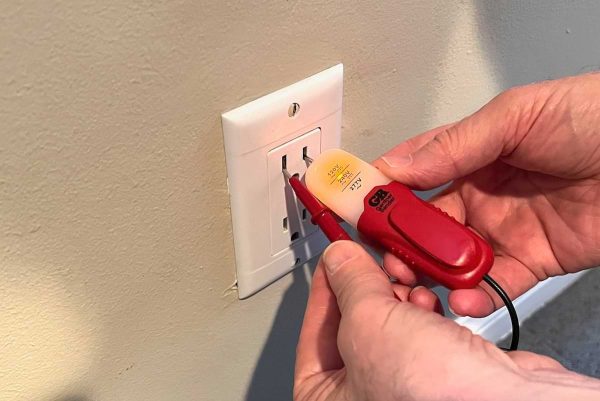
A correctly wired outlet has:
- Black hot wire connected to the brass terminal
- White neutral wire connected to the silver terminal
- Bare copper or green wire connected to the green grounding screw

Don’s Advice
One of the most important safety habits when replacing outlets is testing for power more than once.
I’ve seen mislabeled breaker panels, shared circuits, and unexpected live wires even after breakers were switched off.
When to Replace an Outlet
You may need to replace an outlet if it:
- No longer holds plugs securely
- Feels warm during use
- Sparks when plugging something in
- Shows burn marks or discoloration
- Has cracked or damaged plastic
- Stops working reliably
- Tests as improperly wired
If an outlet is dead, first see:
Outlet Not Working? How to Troubleshoot & Fix It
The problem may actually be:
- A tripped breaker
- A tripped GFCI outlet
- A loose connection elsewhere on the circuit
- A failed backstab connection
Before You Begin
Before replacing an outlet, purchase the correct replacement type.
Most standard household outlets are:
- 15-amp duplex receptacles
But some locations may require:
- 20-amp receptacles
- GFCI protection
- Tamper-resistant outlets
- Weather-resistant outlets
Electrical Safety Warning:
Always shut off the power before working on an outlet. Then use a voltage tester to confirm the outlet is truly dead before touching any wires.
| Outlet Feature | What to Check |
|---|---|
| Amperage | Match the new outlet to the circuit rating—typically 15 or 20 amps |
| Voltage | Most standard household outlets are 120 volts |
| Location | Bathrooms, kitchens, garages, basements, and outdoors often require GFCI protection |
| Wiring Type | Standard receptacles are designed for copper wiring; aluminum wiring requires special devices and procedures |
Outlet Wire Connection Guide
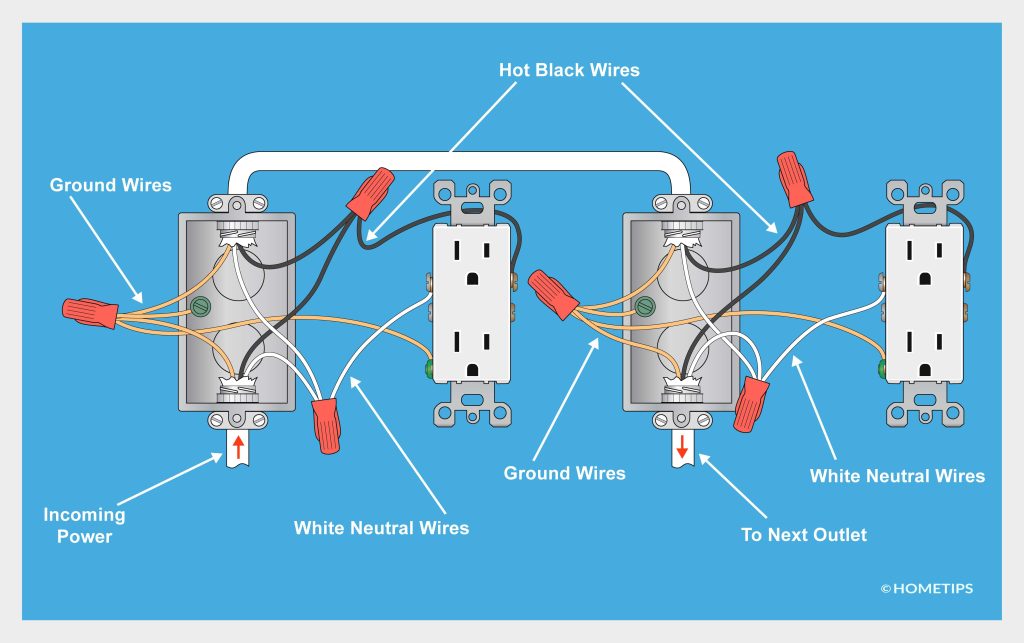
A standard duplex outlet has three primary wire connections:
- Black (hot) wire → brass terminal screw
- White (neutral) wire → silver terminal screw
- Bare copper or green wire → green grounding screw
These connections must be correct.
Reversing the hot and neutral wires creates:
This condition can increase shock risk and damage sensitive electronics.
Don’s Advice
If you discover brittle insulation, burned wire ends, or melted plastic while replacing an outlet, stop and investigate further before installing a new receptacle.
Those symptoms often indicate overheating or loose connections—sometimes elsewhere on the circuit.
How to Replace an Electrical Outlet
1. Turn Off the Power
Switch off the circuit breaker controlling the outlet.
If you are unsure which breaker controls it, plug in a lamp or tester and switch breakers off one at a time until the outlet loses power.
2. Test the Outlet
Use a plug-in tester or non-contact voltage tester to verify the outlet is dead.
Never trust the breaker label alone.
3. Remove the Cover Plate
Unscrew the cover plate and set it aside.
4. Remove the Outlet from the Box
Remove the mounting screws at the top and bottom of the outlet.
Carefully pull the outlet outward to expose the wiring.
5. Test the Wires Again
Before touching any conductors, test the wires again with a voltage tester.
This second test is an important safety step.
6. Document the Existing Wiring
Before disconnecting anything:
- Take a photo
- Note wire locations
- Identify brass and silver sides
On a properly wired outlet:
- Black wires connect to brass screws
- White wires connect to silver screws
- Ground wires connect to the green screw
7. Disconnect the Wires
Loosen the terminal screws and remove the wires.
If the outlet uses push-in “backstab” connections, release the wires by inserting a small screwdriver into the release slot.
8. Prepare the Wire Ends
If needed:
- Trim damaged wire ends
- Strip about 1/2 to 3/4 inch of insulation
- Form clockwise hooks using needle-nose pliers
Clockwise hooks tighten securely as the screw turns.
9. Connect the New Outlet
Attach:
- Black wire to brass screw
- White wire to silver screw
- Ground wire to green screw
Tighten terminal screws securely.
Whenever possible, use the side screw terminals rather than push-in backstab connections.
10. Reinstall the Outlet
Carefully fold the wires back into the electrical box.
Position the outlet straight and reinstall the mounting screws.
Then reinstall the cover plate.
11. Restore Power & Test
Turn the breaker back on.
Use:
- A lamp
- An outlet tester
- A voltage tester
to confirm proper operation.
Properly Orienting an Outlet
A standard duplex outlet has:
- Short slot = hot side
- Long slot = neutral side
- Round opening = ground
Some electricians install outlets with the ground hole up, while others place it down.
Either orientation is generally acceptable unless local code or device requirements specify otherwise.
Many homeowners simply match nearby outlets for consistency.
Common Mistakes to Avoid
| Mistake | Why It Matters |
|---|---|
| Working without testing for power | The outlet may still be energized |
| Reversing hot and neutral wires | Creates dangerous reverse polarity |
| Loose wire connections | Can overheat and fail |
| Ignoring damaged wiring | May indicate a more serious circuit problem |
| Using weak backstab connections | More prone to loosening over time |
| Overcrowding the electrical box | Can violate code and stress the wiring |
When to Call an Electrician
Call a licensed electrician if:
- The outlet uses aluminum wiring
- You find burned insulation or melted wires
- The box contains confusing or nonstandard wiring
- The outlet is part of a 240-volt circuit
- You are uncertain which wire is hot
- The outlet repeatedly trips breakers or GFCIs
See also:
Outlet Not Working?
GFCI Outlet Not Working?
Need Professional Help?
If the wiring appears damaged, confusing, or nonstandard, it’s safest to hire a licensed electrician.
Find a trusted local electrician for outlet replacement or electrical troubleshooting.
Cost overview: Electrical Outlet Repair Cost
FAQs
Can I replace an electrical outlet myself?
Yes, many homeowners can safely replace a standard outlet if they turn off power properly and follow safe wiring practices.
What wire goes where on an outlet?
The black hot wire connects to the brass screw, the white neutral wire connects to the silver screw, and the ground wire connects to the green grounding screw.
Should I use backstab or screw terminals?
Side screw terminals are generally considered more secure and durable.
How do I know an outlet needs replacement?
Common signs include loose plugs, sparks, heat, burn marks, cracking, or unreliable operation.
What happens if an outlet is wired backward?
Reverse polarity can increase shock risk and damage electronics or appliances.
Do bathrooms and kitchens require special outlets?
Yes. Most modern codes require GFCI protection in locations near water.