Expert, unbiased advice for choosing the best room air conditioner, including window AC units, wall air conditioners, portable air conditioners, and ductless mini-split systems.

If your home doesn’t have central air conditioning, a room air conditioner can be an affordable and effective way to cool one space, a small zone, or only the rooms you use most.
But not all room air conditioners are alike. A window AC unit may be perfect for a bedroom or apartment. A portable air conditioner may make sense where window installation isn’t practical. A through-the-wall model can provide a cleaner, more permanent installation. And a ductless mini-split may be the best solution for an addition, converted garage, or hard-to-cool room.
This guide will help you compare room air conditioner types, understand energy efficiency and sizing, and choose the best model for your needs and budget.

Why Choose a Room Air Conditioner?
A room air conditioner is designed to cool one room or a limited area rather than an entire house. Compared with central air conditioning, room AC units usually cost less to buy, install, and operate.
They can be a smart choice when:
- You only need to cool one room or a small part of your home
- You live in an apartment, condo, rental, or older house without ductwork
- You want to avoid the expense of installing central air conditioning
- You want supplemental cooling for a room that stays hotter than the rest of the house
Because room air conditioners cool a smaller space, they use less energy than a whole-house system running throughout the home.
For additional comparisons, see Central Air Conditioning vs. Window AC — Which Is Best?. For more about whole-house systems, see Central Air Conditioner Buying Guide.
Types of Room Air Conditioners
When choosing a room air conditioner, start by selecting the type that fits your room, budget, and installation options.
Room air conditioners come in four main types:
- Window air conditioners
- Through-the-wall air conditioners
- Portable air conditioners
- Ductless mini-split air conditioners
The right choice depends largely on the room and whether you rent or own your home.
A renter with a suitable window will usually find that a window AC unit is the easiest and most affordable option. If the room has no practical window location, a portable air conditioner may work better. If you own the home and don’t mind a more permanent installation, a wall air conditioner or mini-split may be a better long-term answer.
All room air conditioners are rated by cooling output, measured in Btu per hour. For help understanding capacity, see What Is a Btu?. For sizing guidance, jump to How to Size a Room Air Conditioner, below.
Quick Comparison of Room Air Conditioner Types
| Type | Best For | Main Advantages | Main Drawbacks |
|---|---|---|---|
| Window AC Unit | Bedrooms, apartments, single rooms with windows | Affordable, effective, easy to install | Blocks part of a window, can be noisy |
| Wall Air Conditioner | Permanent installations where window space matters | Doesn’t block a window, tighter fit | Requires cutting through an exterior wall |
| Portable Air Conditioner | Rooms where window mounting is impractical | Movable, minimal installation | Usually less efficient, takes floor space |
| Mini-Split Air Conditioner | Additions, garages, bonus rooms, ductless zones | Very efficient, quiet, provides cooling and often heating | Higher equipment and installation cost |
Window AC Unit
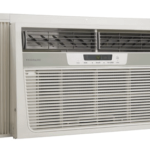
Window air conditioners are the most common type of room AC unit. They are available in a wide range of sizes and cooling capacities and are usually designed for standard double-hung windows, though some models fit sliding windows.


A window AC unit doesn’t need to fill the whole window opening. Most models include adjustable side panels that seal the gaps between the appliance and the window frame. Because these side panels often insulate poorly, some manufacturers also offer insulating covers or foam panels to improve efficiency.
Expect to pay roughly $150 to $500, depending on capacity and features.
Useful features include:
- Remote control
- Programmable timer
- Dirty-filter indicator
- Multiple fan speeds
- Energy-saver mode
Noise is another important consideration, especially for bedrooms or home offices.
Installing a window air conditioner is usually a manageable DIY job. See How to Install a Window Air Conditioner. Be sure to measure the inside width and height of the window before shopping, and get help lifting larger units.
Wall Air Conditioner
A through-the-wall air conditioner installs in an opening cut through an exterior wall instead of a window.

This type of installation is more involved than mounting a window unit, but it offers some advantages. A wall air conditioner doesn’t take up window space, and it can provide a more secure, permanent, and airtight fit.
Typical prices are about $300 to $500, though installation costs can raise the total significantly if you hire a professional.
A handy do-it-yourselfer may be able to install a small unit, but the project can involve framing, siding, interior wall repair, and weatherproofing. Larger units are best left to a contractor.
Portable Air Conditioner
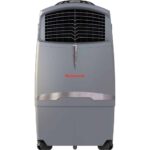
Portable air conditioners are freestanding units that sit on the floor and usually roll on casters, allowing you to move them from room to room.

Most use a large hose that vents hot air through a window kit. Setup is typically much easier than with a window or wall air conditioner.
Portable air conditioners generally cost about $250 to $650.
They can be a good solution when:
- You can’t mount a unit in a window
- You want a less permanent cooling option
- You may need to cool different rooms at different times
Keep in mind that portable air conditioners are often less efficient than window units and take up floor space. Also note that a so-called “no-vent” portable air conditioner is not a true air conditioner. It is usually an evaporative cooler. For more, see Evaporative Air Coolers (Swamp Coolers) Buying Guide.
Mini-Split Air Conditioner
A ductless mini-split air conditioner is a more advanced option for cooling a single room, an addition, or a small zone without installing ductwork.

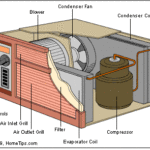
A mini-split system has an outdoor compressor and an indoor air handler mounted on a wall or ceiling. The two are connected by refrigerant lines and wiring that pass through a small wall penetration.
Many mini-splits also provide heat because they use heat pump technology.
Compared with conventional room AC units, mini-splits offer:
- Excellent energy efficiency
- Quiet operation
- No need to block a window
- The ability to cool or heat one room or several zones
Unlike a standard room AC that cycles on and off, many mini-splits use inverter-driven compressors that speed up or slow down as needed. This improves comfort and efficiency.
The downside is cost. A single-zone system may start around $500 for equipment, but installed costs are much higher. Multi-zone systems cost more. In many cases, installed pricing runs roughly $1,500 to $2,000 per ton of cooling capacity, depending on system type and complexity.
A mini-split can be ideal for a converted attic, garage, bonus room, sunroom, workshop, or home addition—especially where extending ductwork would be impractical or too expensive.
See Ductless Mini-Split Air Conditioner Buying & Installing for more.
Room Air Conditioner Energy Efficiency
Because room air conditioners use a significant amount of electricity, efficiency matters. Room AC units are rated by EER, or Energy Efficiency Ratio, which measures how effectively the appliance converts electrical energy into cooling.
The higher the EER, the more efficient the unit.
Older units may have very low efficiency ratings, but modern room air conditioners must meet higher standards. Energy Star® models typically offer especially strong efficiency performance.
When comparing models, check the yellow Energy Guide® label and look for:
- Higher EER or CEER ratings
- Energy-saver mode
- Programmable thermostat or timer
- Variable fan speeds
One of the best ways to improve efficiency is simply to buy the correct size unit. An undersized air conditioner will struggle continuously. An oversized unit may short-cycle, waste energy, and remove less humidity.
Energy-Efficient AC Features
Variable Fan Speeds. More fan settings give you better control over airflow, comfort, and energy use.

Digital Temperature Control. Setting a specific temperature is more comfortable and usually more efficient than relying on older high/low controls.
Programmable Thermostat or Timer. These features let you cool the room when needed without running the unit all day.
Easy-to-Access Filters. Filters that slide out are easier to clean, helping the air conditioner operate efficiently and last longer.
Sleep or Energy-Saver Setting. These settings reduce output during the night or cycle fans more efficiently to save energy.
How to Size a Room Air Conditioner
Choosing the right size room air conditioner is critical. If the unit is too small, it won’t cool the room effectively. If it is too large, it may cool too quickly, cycle on and off often, waste energy, and do a poor job of removing humidity.
To estimate the right size, measure the room’s length and width and multiply them to find the square footage. Then compare that square footage with the manufacturer’s recommended Btu rating.
A basic rule of thumb is to allow about 20 Btu per square foot of floor area, though ceiling height, climate, sun exposure, and room layout can change that.
General Room AC Sizing Guide
| Room Size | Recommended Cooling Capacity |
|---|---|
| 100 to 300 square feet | 5,000 to 7,000 Btu |
| 250 to 450 square feet | 8,000 to 10,000 Btu |
| 400 to 650 square feet | 10,000 to 12,500 Btu |
Cooling Capacity Adjustments
You may need to size up or down based on conditions in the room:
- Add about 10% capacity for a very sunny room
- Subtract about 10% capacity for a heavily shaded room
- Increase capacity if the room opens permanently into another room
- Choose a somewhat stronger model if you’re buying a portable air conditioner, since portables are often less efficient than window units
- Consider local climate and ceiling height when making a final choice
This video from Consumer Reports offers helpful advice for comparing features and options:
Room AC Buying Tips
Before buying a room air conditioner, also consider these practical issues.
Condensation Drainage
Air conditioners remove moisture from the air as they cool. Window and wall units typically direct condensation outdoors. Portable units often collect water in an internal tank that must be emptied, though some allow hose drainage and some re-evaporate part of the moisture.
Electrical Requirements
Before buying, make sure your home’s electrical system can handle the unit. Smaller room air conditioners often plug into a standard 120-volt receptacle. Larger models may require a dedicated 120-volt circuit, and the largest may require a 230-volt dedicated circuit.
If the model requires a dedicated circuit you don’t already have, you may need an electrician.
Airflow Direction
Think about where the cooled air needs to go. In a long or awkwardly shaped room, a model with stronger airflow or directional louvers may cool more effectively.
Noise Level
Some room air conditioners are much quieter than others. This matters most in bedrooms, nurseries, and home offices.
Installation Difficulty
Window units are usually easiest to install. Portable units require the least permanent setup. Wall units and mini-splits are more involved and may require professional installation.
Should You Repair an Old Unit Instead?
If your existing room air conditioner isn’t cooling well, doesn’t start, or runs poorly, it may be worth troubleshooting before replacing it. See How to Repair Window & Room Air Conditioners.
This Consumer Reports video offers more advice for buying and sizing a window air conditioner:
Top Room Air Conditioner Brands
Window and room air conditioners are sold by most home improvement stores, appliance retailers, and online sellers. Commonly available brands include Frigidaire, GE, Kenmore, and LG
Room Air Conditioner FAQs
What is the best type of room air conditioner?
The best type of room air conditioner depends on your room, budget, and installation options. A window air conditioner is usually the most affordable and effective choice for a single room with a suitable window. A portable air conditioner can work where window installation isn’t practical. A through-the-wall air conditioner offers a more permanent solution, and a ductless mini-split is often the best choice for quiet, energy-efficient cooling in a room without ductwork.
Is a portable air conditioner better than a window AC unit?
Usually, no. In most situations, a window AC unit cools better, uses less energy, and costs less than a portable air conditioner of similar capacity. A portable air conditioner is mainly a good choice when you can’t install a window unit or want the flexibility to move the unit from one room to another.
What size room air conditioner do I need?
Room air conditioner size is based mainly on the room’s square footage. As a general rule, allow about 20 Btu per square foot. Small rooms may need a 5,000- to 7,000-Btu unit, medium rooms often need 8,000 to 10,000 Btu, and larger rooms may need 10,000 to 12,500 Btu or more. You may need extra cooling power for a sunny room, a room with high ceilings, or a room that opens into another space.
Can a room air conditioner cool more than one room?
A room air conditioner works best in the room where it is installed. It may cool part of an adjacent room if air can move freely between the spaces, but it is not designed to cool an entire house. If you need to cool several rooms, a central air conditioner or a ductless mini-split system with multiple indoor units may be a better solution.
Are mini-split air conditioners better than window units?
In many ways, yes. Mini-split air conditioners are usually quieter, more energy efficient, and more attractive than window air conditioners. Many also provide heat. But they cost much more to buy and install, so a window unit may still be the better value for cooling a single room on a tight budget.
Do all portable air conditioners need to be vented?
Yes. A true portable air conditioner must vent hot air to the outdoors, usually through a window kit. If a product claims to be a “portable air conditioner” with no vent, it is usually an evaporative cooler, not a refrigerated air conditioner.
Do room air conditioners use a lot of electricity?
Room air conditioners use much less electricity than central air conditioning systems that cool an entire house, but they can still add noticeably to your utility bill if used often. Choosing an energy-efficient model, sizing it properly, cleaning the filter regularly, and using a timer or thermostat can help reduce operating costs.
How long does a room air conditioner last?
A room air conditioner typically lasts about 10 to 15 years, depending on its quality, how often you use it, and how well you maintain it. Keeping the filter clean, protecting the unit from weather when possible, and fixing minor problems early can help extend its life.
Can I install a window air conditioner myself?
Many homeowners can install a small or medium-size window air conditioner themselves, provided the window is the right type and size. Larger units are heavy and awkward, so it is wise to have help lifting and positioning them. Proper support and sealing are important for both safety and efficiency.
Is it worth repairing an old room air conditioner?
That depends on the age of the unit and the cost of the repair. If the unit is fairly new and the problem is minor, repair may make sense. But if the air conditioner is old, inefficient, or facing a major repair, replacement is often the better investment.
NEXT SEE: