If your windows are drafty, rattling, or leaking air, worn weatherstripping is usually the cause. Replacing it is an easy, inexpensive fix that can improve comfort and reduce energy loss almost immediately.

In This Article:
Quick Answer
Common Problems
Best Weatherstripping Types
How to Replace Window Weatherstripping
Weatherstripping by Window Type
When to Replace All Weatherstripping
FAQs
If you feel cold drafts near a closed window, hear the sash rattle on windy days, or notice rising heating and cooling bills, failing weatherstripping is often the culprit.
Weatherstripping seals the small gaps around moving window parts to reduce:
- Air leakage
- Drafts
- Dust infiltration
- Moisture intrusion
- Window rattling
Over time, weatherstripping can:
- Flatten
- Crack
- Dry out
- Pull loose
- Lose flexibility
Fortunately, replacing it is usually an easy DIY project that requires only basic tools.
Quick Answer
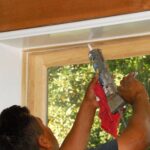
To fix drafty windows, remove worn weatherstripping, clean the surface thoroughly, and install new foam, V-strip, spring-metal, or tubular weatherstripping depending on the window type and gap size.


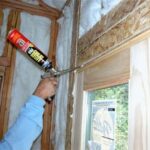
Adhesive-backed foam weatherstripping is inexpensive and easy to install and works well for many window types.

Don’s Advice
Many homeowners install weatherstripping that is too thick.
A good seal should compress slightly when the window closes—but the window should still operate smoothly without excessive force.
Common Window Weatherstripping Problems & Fixes
| Problem | Likely Cause | Typical Fix |
|---|---|---|
| Cold drafts | Worn or missing weatherstripping | Replace weatherstripping |
| Window rattles | Loose seal or worn sash channels | Add slightly thicker stripping |
| Light visible around frame | Gap in seal | Install new weatherstripping |
| High energy bills | Air leakage around sash | Upgrade sealing materials |
| Window hard to close | Weatherstripping too thick | Install thinner material |
Which Weatherstripping Should I Use?
One of the most common mistakes homeowners make is buying weatherstripping before identifying the type of window and the size of the gap they’re trying to seal.
The best weatherstripping depends on:
- The style of window
- Whether the window slides, swings, or cranks open
- The size and shape of the air gap
- How often the window is opened and closed
Use this quick guide to narrow your choices:
| Window Type | Best Weatherstripping Choices | Why It Works |
|---|---|---|
| Double-hung window | V-strip, spring bronze | Provides durable sealing along moving side channels and meeting rails. |
| Sliding window | V-strip, tubular vinyl | Handles repeated horizontal movement and seals larger gaps. |
| Casement window | EPDM rubber, tubular vinyl | Compresses tightly when the window is latched shut. |
| Older wood window | Spring bronze | Long-lasting traditional weatherstripping that withstands decades of use. |
| Irregular or uneven gaps | Foam weatherstripping | Conforms to varying gap sizes and is easy to install. |
| Large gaps or rattling windows | Tubular vinyl or rubber | Provides greater compression and cushioning. |
Tip: If you’re unsure what type of weatherstripping your window originally used, remove a small section and take it with you when shopping. Matching the original profile often produces the best fit and easiest installation.
Best Types of Window Weatherstripping for Your Job
The best weatherstripping depends on:
- The window style
- Gap size
- Window movement
- Exposure to weather

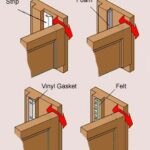
Different weatherstripping materials are designed for different window types and gap sizes.
Foam Weatherstripping
Foam weatherstripping is:
- Inexpensive
- Easy to install
- Good for irregular gaps
Most versions have adhesive backing that sticks directly to the frame.
Closed-cell foam lasts longer and seals better than open-cell foam.
V-Strip (Tension Seal)
V-strip weatherstripping is a folded strip of vinyl or metal that springs open slightly to seal gaps.
It works especially well for:
- Double-hung windows
- Sliding windows
- Window jambs
V-strip is more durable than foam and often creates a tighter seal.
Spring-Metal Weatherstripping
Spring-metal weatherstripping is commonly used on older wood windows.
Thin bronze or brass strips flex against the moving sash to seal drafts.
Although installation is more difficult, spring metal is:
- Very durable
- Long-lasting
- Highly effective
Don’s Advice
For older wood windows, I generally prefer spring-bronze weatherstripping whenever practical. It takes more effort to install than adhesive-backed foam, but it often lasts for decades and maintains consistent sealing pressure as the window expands and contracts with seasonal changes.
Tubular Vinyl Gasket or Rubber
Tubular weatherstripping uses hollow rubber or vinyl tubes that compress to seal larger gaps.
It works well where:
- Drafts are severe
- Gaps are uneven
- Windows rattle significantly
However, it is often more visible than other weatherstripping types.
Tip: EPDM rubber weatherstripping generally lasts longer and handles UV exposure better than inexpensive felt or basic foam products.
What About Felt Weatherstripping?
Felt weatherstripping has been used for decades and is still available at most home centers. It is inexpensive, easy to install, and creates very little friction on moving window parts.
However, felt absorbs moisture, compresses over time, and generally wears out faster than V-strip, spring bronze, EPDM rubber, or closed-cell foam. For that reason, felt is usually best reserved for light-duty applications, seasonal repairs, or situations where maintaining the appearance of an older window is important.
Which Weatherstripping Should I Use?
| Window Type | Best Weatherstripping Choices | Why It Works |
|---|---|---|
| Double-hung windows | V-strip, spring bronze | Provides durable sealing along moving side channels and at the meeting rails where the two sashes come together. |
| Sliding windows | V-strip, felt, tubular vinyl | Handles repeated horizontal movement while minimizing friction. Felt is inexpensive but wears faster than modern materials. |
| Casement windows | EPDM rubber, tubular vinyl | Compresses tightly when the window is cranked shut, creating an excellent air seal. |
| Older wood windows | Spring bronze, felt | Spring bronze is extremely durable and historically accurate for many older windows. Felt may be appropriate for light-duty restoration work. |
| Irregular or uneven gaps | Closed-cell foam | Compresses easily and conforms to varying gap sizes. |
| Large gaps or rattling windows | Tubular vinyl or rubber | Provides greater compression, helps eliminate rattles, and seals larger openings. |
How to Replace Window Weatherstripping
Safety Note: If you’re working on an older painted wood window, avoid aggressively scraping, sanding, or disturbing painted surfaces. Homes built before 1978 may contain lead-based paint, which can create hazardous dust when disturbed. If paint is peeling or must be removed, follow EPA-recommended lead-safe work practices and wear appropriate protective equipment.
1. Inspect the Existing Weatherstripping
Open and close the window slowly while examining the existing seals.
Look for:
- Flattened foam
- Cracks
- Loose adhesive
- Missing sections
- Brittle material
- Light showing through gaps
Also inspect where the sash contacts the frame when closed.
The sash is the movable portion of the window.
2. Remove the Old Weatherstripping
Peel off adhesive-backed foam carefully.
If necessary, use:
- A putty knife
- A utility knife
- Pliers for stubborn sections
For spring-metal weatherstripping, remove the small nails or staples carefully to avoid damaging the wood.
Remove all loose adhesive and debris before installing new material.
3. Clean the Surface Thoroughly
Weatherstripping adheres best to clean, dry surfaces.
Wipe the installation area using:
- Mild detergent
- Household cleaner
- Rubbing alcohol if needed
Remove:
- Dirt
- Dust
- Old adhesive residue
- Paint flakes
Allow the surface to dry completely.
4. Measure Carefully
Measure each section separately.
Do not assume all sides are identical lengths.
Use a tape measure to determine:
- Side jamb lengths
- Top sash width
- Bottom sash width
Cut weatherstripping slightly long if necessary. You can trim excess material later.
5. Cut the New Weatherstripping
Use:
- Sharp scissors
- Utility knife
- Tin snips for metal stripping
Cut clean, straight ends for tight joints at corners.
Avoid stretching foam weatherstripping while measuring or cutting because it may shrink later.
6. Install the New Weatherstripping
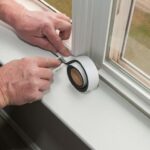
For adhesive-backed products:
- Peel off a small section of backing first
- Press the strip firmly into place
- Continue gradually while smoothing the material
For nail-in weatherstripping:
- Position the strip carefully
- Fasten with small nails or staples
- Do not crush or deform the material
Keep the stripping straight and evenly positioned so the sash compresses it uniformly.
7. Test the Window Operation
Open and close the window several times.
The window should:
- Close fully
- Latch properly
- Move smoothly
- Seal tightly without excessive force
If the window becomes difficult to operate, the weatherstripping may be:
- Too thick
- Installed in the wrong position
- Compressed improperly
Don’s Advice
A candle flame or smoke pencil can help locate hidden drafts after installation.
Move the flame or smoke slowly around the closed window on a windy day. Any movement indicates remaining air leakage.
Weatherstripping by Window Type
Double-Hung Windows
Double-hung windows have two movable sashes that slide vertically.
Use:
- V-strip along side channels
- Spring-metal weatherstripping for older wood windows
- Horizontal seals where sashes meet
Pay close attention to the meeting rail where the upper and lower sashes contact each other.
Casement Windows
Casement windows crank outward like doors.
Apply weatherstripping around:
- Frame stops
- Closing edges
- Latch areas
Because casement windows compress tightly when closed, they often work best with durable rubber or foam seals.
Sliding Windows
Sliding windows move horizontally along tracks.
Install weatherstripping:
- Along sliding tracks
- At vertical meeting rails
- At top and bottom edges
Tubular weatherstripping often works well for larger sliding-window gaps.
Older Wood Windows
Older wood windows frequently benefit from spring-bronze weatherstripping.
This traditional material:
- Lasts for decades
- Handles repeated movement well
- Maintains sealing pressure over time
However, installation requires careful fitting and small nails.
When to Replace All Weatherstripping
Replace all weatherstripping if:
- Multiple sections are deteriorated
- The material is brittle throughout
- Drafts exist around most of the window
- The existing weatherstripping is inconsistent
- You are repainting or restoring the windows
If the window itself is severely warped, rotted, or damaged, weatherstripping alone may not fully solve the problem.
Need Professional Help?
If windows are severely warped, difficult to operate, or leaking extensively, a window repair specialist may be needed.
Find a trusted local window contractor for repairs or upgrades.
FAQs
What is the best weatherstripping for windows?
V-strip and spring-metal weatherstripping are among the most durable. Foam weatherstripping is easiest to install.
How often should weatherstripping be replaced?
Replace weatherstripping when it becomes brittle, flattened, loose, or ineffective.
Does weatherstripping really save energy?
Yes. Proper weatherstripping reduces air leakage and can significantly improve heating and cooling efficiency.
Why does my window still feel drafty after replacing weatherstripping?
The draft may be coming from trim gaps, glazing problems, or poor insulation around the window frame.
Can weatherstripping make windows hard to close?
Yes. Weatherstripping that is too thick or installed incorrectly can interfere with window operation.
What’s the difference between foam and V-strip weatherstripping?
Foam compresses to fill gaps, while V-strip uses spring tension to maintain a long-lasting seal.