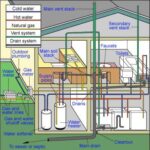
Your home’s drain-waste-vent (DWV) system allows wastewater to flow out while letting air into the pipes—preventing gurgling, slow drains, and sewer gas odors.

Hidden behind walls and floors, this system quietly moves wastewater to the sewer or septic system while maintaining proper airflow.
When it’s working correctly, you never notice it. When it’s not, you may hear gurgling, see bubbling, or experience slow drainage from your shower, sinks, and toilet.
Quick Answer
A drain-waste-vent (DWV) system uses gravity to carry wastewater away and vent pipes to supply air to the system. Without proper venting, drains can gurgle, slow down, or siphon water from traps.
What Is a Drain-Waste-Vent (DWV) System?
A DWV system consists of three types of pipes:
- Drain pipes carry water from sinks, tubs, and showers
- Waste pipes carry waste from toilets
- Vent pipes allow air into the system and exhaust sewer gases
All drain and waste lines slope downward so gravity can carry wastewater away.
How a DWV System Works
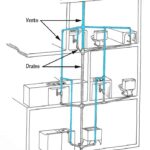
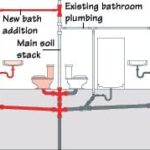
As shown below, most homes have a main vertical pipe called a stack that connects fixtures to the sewer line.


Water flows downward through drain pipes, while vent pipes allow air to enter the system. This airflow prevents vacuum pressure and keeps water moving smoothly.
Why Venting Is Important
Without proper venting:
- Water can drain slowly
- Air pressure can cause gurgling sounds
- Water can be siphoned out of traps
- Sewer gases can enter the home
Venting allows air to follow water through the pipes—just like letting air into a bottle so liquid can pour smoothly.
Why Plumbing Problems Occur
Many common plumbing issues happen when airflow or drainage is disrupted.
This includes:
- Gurgling toilets
- Bubbling drains
- Slow drainage
- Dropping toilet water levels
These problems are usually caused by:
- Partial drain blockages
- Blocked vent pipes
- Main sewer line restrictions
👉 See Why a Toilet Gurgles When Flushed
👉 See Shower Drain Gurgling
Key Components of a DWV System
Plumbing Traps
Each fixture has a trap—a curved section of pipe that holds water to block sewer gases.
A toilet has a built-in trap as part of its design.

Vent Pipes
Vent pipes extend through the roof and allow air to enter the system while venting sewer gases outside.
FAQs: Plumbing Vent Systems
What happens if a plumbing vent is blocked?
Blocked vents can cause gurgling, slow drains, and pressure problems that slow down the flow of drainage in the system.
Why do drains gurgle?
Gurgling occurs when air cannot flow properly and is forced through water in the pipes.
Can a DWV problem affect multiple fixtures?
Yes. Problems in the main drain or vent system often affect several fixtures at once.
Do all drains need a vent?
Yes. Proper venting is required for safe and efficient drainage.
NEXT SEE: