If your doorbell hums but doesn’t ring, the transformer is working but the chime mechanism is stuck or worn. This is a common problem and usually easy to fix.

A humming doorbell means electricity is flowing, but the chime isn’t moving properly. The issue is usually inside the chime unit.
Quick Answer
If your doorbell hums but doesn’t ring, turn off power, open the chime unit, and check for a stuck piston or dirty contacts. Clean or replace the chime if needed.
Why a Doorbell Hums but Doesn’t Ring
| Symptom | Cause | Fix |
|---|---|---|
| Humming sound | Stuck piston | Clean or free mechanism |
| Weak or partial ring | Dirty contacts | Clean contacts |
| No movement | Worn chime unit | Replace unit |
How to Fix a Humming Doorbell
1. Turn Off Power
Turn off power to the doorbell circuit at the electrical panel before opening the chime cover.
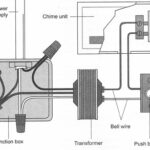
Most residential wired doorbells operate on low-voltage current supplied by a transformer—commonly 12 volts, 16 volts, 18 volts, or 24 volts. This low voltage is generally not dangerous to handle under normal conditions, but turning off power is still the safest practice.
It helps prevent accidental short circuits, protects the transformer, and avoids surprises if any part of the system shares a box with standard household wiring.
2. Remove the Chime Cover
Carefully remove the decorative cover from the chime unit.
Inside, you’ll usually see:
- One or two electromagnets
- One or two plungers or strikers
- Chime bars or tubes
- Low-voltage terminal screws
3. Inspect the Plungers
Press each plunger gently by hand.
The plunger should slide freely and return smoothly when released.
Look for:
- Dust and dirt buildup
- Sticky residue
- Corrosion
- Bent or damaged parts
- A plunger that stays partially extended
A sticking plunger is one of the most common reasons a doorbell hums but does not ring.
If chimes are hanging on each side of the plungers, unhook them and set them out of the way.
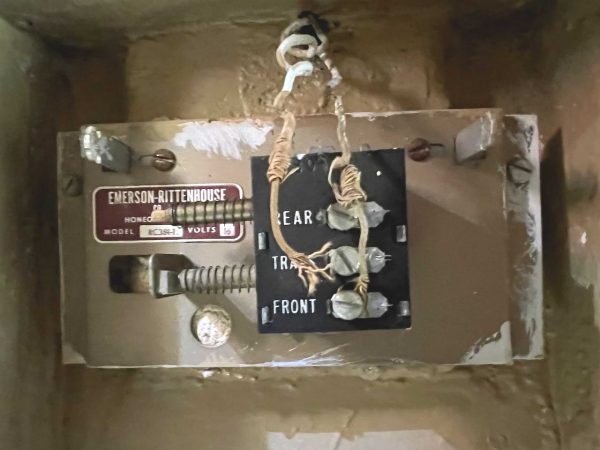
Take a photo of the wiring hookup, then remove the wires (mark them if necessary).

4. Clean the Plungers
Then unscrew the doorbell unit so you can work on it more easily on a countertop. Moisten a clean cloth or cotton swab with a small amount of lighter fluid, also called naphtha, and carefully clean the plunger, plunger shaft, and surrounding surfaces.
Naphtha evaporates quickly and leaves little residue, making it useful for removing dirt, oxidation, and sticky contamination from small mechanical parts.
Don’s Advice
Do not lubricate the plungers with oil or WD-40. Oil attracts dust and can eventually make the sticking problem worse.
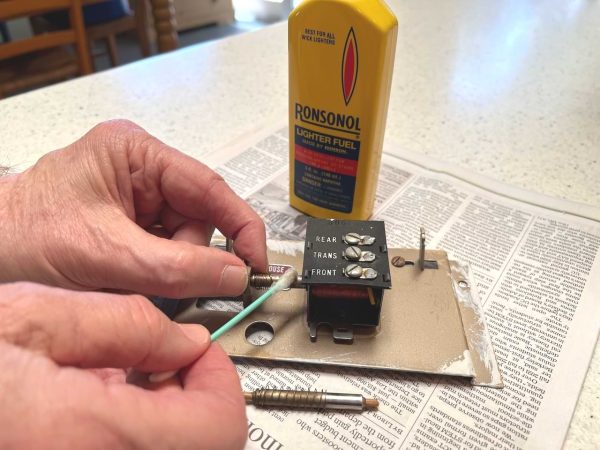
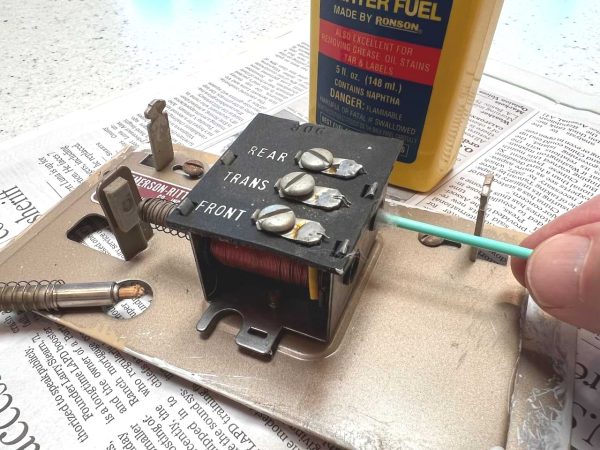
Safety Warning: Lighter fluid is highly flammable. Use only a small amount, work in a well-ventilated area, keep it away from flame or sparks, and allow all parts to dry completely before restoring poweDo not lubricate the plungers with oil or WD-40. Oil attracts dust and can eventually make the sticking problem worse.r.
5. Restore Power and Test
After the cleaned parts are completely dry, re-install the doorbell unit, hang the chimes, restore power, and test the doorbell.
If the plungers move freely and the hum disappears, replace the decorative chime cover, and the repair is complete.
Check the Doorbell Button
A stuck doorbell button can also cause continuous humming because it keeps the chime energized.
Press and release the button several times.
The button should:
- Move freely
- Spring back fully
- Not feel sticky
- Not stay partially pressed
If the button sticks, clean or replace it. Doorbell buttons are inexpensive and usually easy to replace.
Check the Doorbell Transformer
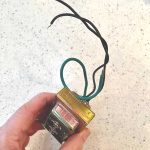
If the chime still hums after cleaning the plungers and checking the button, the transformer may be supplying incorrect voltage or may be failing.
A transformer that is mismatched with the chime can cause:
- Weak ringing
- Buzzing or humming
- Overheating
- Chime failure
Check the voltage rating required by the chime and compare it with the transformer output.
When to Replace the Chime Unit
If cleaning doesn’t solve the problem, replacing the chime is usually the easiest solution.
Replace the chime if:
- The plungers remain stuck after cleaning
- The electromagnet appears damaged
- The chime hums continuously despite a working button
- The mechanism is badly corroded
- The unit is physically damaged or missing parts
Because replacement chimes are relatively inexpensive, replacement is often more practical than attempting extensive repairs on an old unit.
Don’s Advice
If the doorbell has been humming for a long time, don’t keep testing it repeatedly. A continuously energized chime can overheat or damage the transformer. Turn off power until you can clean, repair, or replace the faulty part.
When to Call an Electrician
Call an electrician if:
- You cannot find the transformer
- The transformer feels hot or smells burned
- The wiring looks damaged or confusing
- The chime still hums after cleaning and button replacement
- You are uncomfortable working around electrical wiring
Need Professional Help?If the doorbell transformer, chime, or wiring is difficult to diagnose, an electrician can safely test the low-voltage circuit and replace faulty parts.
FAQs
Why does my doorbell hum but not ring?
Usually because the chime plunger is sticking, the doorbell button is stuck, or the chime is receiving continuous low-voltage power.
Is doorbell voltage dangerous?
Most wired doorbells use low voltage, commonly 12 to 24 volts, which is generally not dangerous under normal conditions. Still, turn off power before opening the chime or touching wiring.
Should I oil a doorbell chime plunger?
No. Oil attracts dust and can make the plunger stick again. Clean the plunger instead.
Can I clean a doorbell plunger with lighter fluid?
Yes, a small amount of naphtha lighter fluid can clean sticky residue from the plunger shaft. Use it sparingly, keep it away from flame or sparks, and let the parts dry completely before restoring power.
When should I replace the chime?
Replace the chime if the plungers remain stuck after cleaning, the mechanism is corroded or damaged, or the unit continues humming after the button and wiring are checked.