If your light switch sparks, crackles, or makes popping sounds, the cause may be harmless—or it could indicate loose wiring, electrical arcing, or a failing switch that needs immediate attention. Here’s how to tell the difference and troubleshoot the problem safely.

In This Article:
Quick Answer
When Small Sparks Are Normal
When Sparking Is Dangerous
Common Causes of Sparking Switches
Step-by-Step Troubleshooting
Dimmer & Smart Switch Sparking
When to Replace the Switch
When to Call an Electrician
FAQs
Light switches create tiny electrical arcs internally whenever contacts open or close the circuit.
In many cases, a faint spark or soft click inside the switch is completely normal.
However, larger visible sparks, loud popping sounds, crackling, smoke, or burning smells can indicate:
- Loose wiring
- Electrical arcing
- Failing switch contacts
- Overloaded circuits
- Damaged wiring
Because electrical arcing can create serious overheating hazards, it’s important to determine whether the sparking is harmless or dangerous.
Quick Answer
A tiny internal spark inside a light switch is often normal, especially when controlling multiple lights or older incandescent bulbs. But visible flashes, loud pops, crackling, burning smells, or overheating usually indicate loose wiring, worn contacts, or dangerous electrical arcing that should be repaired immediately.

Don’s Advice
A faint internal spark that you can’t really see is very different from a visible flash at the switch opening.
If you can actually see sparks outside the switch—or hear loud crackling or popping—stop using the switch until it has been inspected.
When Small Sparks Are Normal
Standard light switches create tiny internal arcs as electrical contacts open and close.
This is especially common when switches control:
- Multiple light bulbs
- Older incandescent lighting
- High-wattage fixtures
- Long lighting circuits
Normal switching sparks are:
- Very small
- Usually not visible
- Contained entirely inside the switch housing
- Not accompanied by loud noises or burning smells
A soft click is normal. Loud crackling is not.
When Sparking Indicates a Problem
Sparking becomes dangerous if you notice:
- Visible flashes
- Loud popping sounds
- Repeated crackling
- Burning odors
- Smoke
- Hot switches
- Discolored cover plates
These symptoms often indicate:
- Electrical arcing
- Loose wiring
- Failing switch contacts
- Overheated terminals
- Damaged insulation
Electrical Safety Warning:
If a switch sparks visibly, smells burned, or crackles loudly, turn off the circuit breaker immediately until the problem can be inspected safely.
Common Causes of Sparking Switches
Loose Wiring Connections
Loose terminal screws or failing backstab connections create resistance and intermittent contact.
This allows electricity to arc between conductors.
Arcing generates:
- Heat
- Sparks
- Carbon buildup
- Potential fire hazards
Related article:
Backstab vs Screw Terminal Wiring
Worn-Out Switch Contacts
Inside every switch are metal contacts that wear down over time.
As the contacts deteriorate, switching becomes less clean and more arcing occurs.
Older switches may develop:
- Pitted contacts
- Carbon deposits
- Intermittent operation
- Heat buildup
Overloaded Circuits
Switches controlling heavy electrical loads may generate more internal arcing.
This commonly occurs with:
- Large lighting groups
- Bathroom heat lamps
- Exterior floodlights
- Older incandescent lighting systems
Damaged Wiring
Burned insulation, loose splices, or damaged conductors may allow electricity to arc outside intended pathways.
This creates a serious hazard.
Improper Dimmer or Smart Switch Installation
Dimmer switches and smart switches contain electronics that may:
- Buzz
- Crackle
- Arc if overloaded
- Misbehave with incompatible LEDs
Step-by-Step Troubleshooting
Electrical Safety Warning:
Always turn off power at the breaker and verify the circuit is dead before removing a switch or touching wiring.
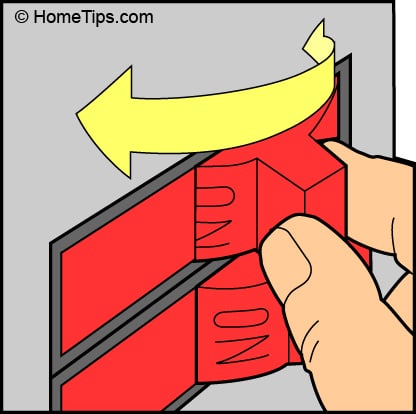
1. Turn Off the Breaker
Shut OFF the breaker controlling the switch.
If the switch was visibly sparking or smoking, leave the breaker OFF until repairs are complete.

2. Confirm the Circuit Is Dead
Use a non-contact voltage tester to confirm:
- The switch terminals are not energized
- The electrical box is safe to handle
Never rely only on breaker labels.
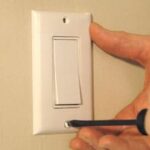
3. Remove the Cover Plate
Inspect the switch and surrounding area carefully.
Look for:
- Brown discoloration
- Melted plastic
- Soot marks
- Scorching
- Loose mounting screws
4. Pull the Switch Out Carefully
Remove the mounting screws and gently pull the switch outward.
Inspect:
- Terminal screws
- Wire insulation
- Backstab connections
- Wire nuts
Loose or partially detached wires are common causes of sparking.
5. Look for Signs of Arcing
Electrical arcing often leaves:
- Black soot
- Pitted metal
- Darkened copper
- Melted insulation
- Brittle wiring
If wiring damage exists, replacement or professional repair is usually necessary.
Don’s Advice
A switch that crackles or pops repeatedly is usually getting worse—not better.
Electrical arcing tends to damage the contacts further each time the switch operates.
6. Tighten Connections or Replace the Switch
If connections are loose:
- Tighten terminal screws securely
- Replace damaged wire ends if necessary
- Reconnect loose conductors properly
If the switch shows:
- Burn marks
- Cracks
- Heat damage
- Intermittent operation
replace it rather than attempting repair.
See also:
How to Replace a Light Switch
How to Test a Light Switch
Dimmer & Smart Switch Sparking
Dimmers and smart switches may occasionally create faint electronic noises during operation.
However, visible sparking or loud popping is not normal.
Common causes include:
- LED incompatibility
- Overloaded dimmers
- Improper wiring
- Loose neutral connections
- Failing internal electronics
Related articles:
Dimmer Switch Not Working?
Smart Switch Installation Guide
When to Replace the Switch Immediately
Replace the switch immediately if:
- You see visible sparks
- The switch crackles loudly
- The switch feels hot
- The switch smells burned
- The switch operates intermittently
- The housing is cracked or damaged
Light switches are inexpensive compared to the risks associated with electrical arcing.
When to Call an Electrician
Call a licensed electrician if:
- You see burned wiring
- The breaker trips repeatedly
- The box contains confusing wiring
- You suspect aluminum wiring
- The switch continues sparking after replacement
- You smell burning insulation
Need Professional Help?
Electrical arcing can become a serious fire hazard if ignored.
Find a trusted local electrician for switch repair or troubleshooting.
FAQs
Is it normal for a light switch to spark?
A tiny internal spark is often normal. Visible flashes, loud pops, or crackling are not.
Can a sparking switch cause a fire?
Yes. Electrical arcing can overheat wiring and potentially ignite surrounding materials.
Why does my switch pop when turned on?
Popping sounds may indicate worn switch contacts, loose wiring, or electrical arcing.
Should I replace a sparking switch?
Yes. Switches that spark visibly or crackle repeatedly should usually be replaced.
Can loose wiring cause sparks?
Yes. Loose connections commonly create electrical arcing and overheating.
Are dimmer switches more likely to spark?
Dimmers generate more heat and contain electronics, but visible sparking is still not considered normal.