A running toilet is usually caused by water leaking from the tank into the bowl, most often because of a worn flapper, misadjusted chain, high water level, or faulty fill valve. Most running-toilet repairs are inexpensive and can be done in minutes.

A toilet that runs continuously—often making a hissing sound or refilling the tank on and off—can waste dozens or even hundreds of gallons of water each day. Fortunately, most running toilets are caused by a simple problem inside the tank that you can fix without replacing the toilet.
In most cases, the issue involves the tank’s flapper, chain adjustment, water level, or fill valve. Start with the quick checks below, then follow the step-by-step repair methods to stop water from running from the tank into the bowl.
In This Article:
Quick Answer
Common Causes
How a Toilet Stops Running
Quick Checks
Tools & Materials
Step-by-Step Fix
If It Still Runs
When to Call a Plumber
Quick Answer
A running toilet usually happens when water leaks from the tank into the bowl. The most common causes are a worn flapper, a misadjusted chain, a water level set too high, or a failing fill valve. Replacing the flapper or adjusting the tank components typically fixes the problem in minutes.
Bottom Line: If water keeps escaping from the tank, the fill valve keeps turning on. Fix the leak at the flapper, chain, water level, or fill valve to stop the cycle.
Common Causes of a Running Toilet
Most toilets run because water slowly leaks from the tank into the bowl. When this happens, the fill valve turns on periodically to restore the water level.
- worn or warped flapper
- debris or mineral buildup on the flush valve seat
- chain adjustment that prevents the flapper from sealing
- tank water level set too high
- a failing fill valve
In many cases, replacing the flapper or adjusting the tank water level stops the running within minutes. If those fixes don’t work, deeper troubleshooting may be needed.
See: How to Fix a Toilet That Keeps Running After Replacing the Flapper
How a Toilet Stops Running
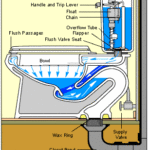
A toilet stops running when the flapper seals the opening at the bottom of the tank and the fill valve shuts off once the tank reaches the proper water level. When you flush a toilet, the flapper lifts to release water into the bowl. When the tank empties, the flapper drops back into place to seal the flush valve at the bottom of the tank. When the fill valve refills the tank, it automatically shuts off the water.
If the flapper doesn’t seal tightly, water slowly leaks into the bowl and the fill valve turns on repeatedly to restore the water level. This cycle is what causes a toilet to keep running.
Understanding how these parts work together makes it easier to identify the source of the problem and choose the right repair.


Common Signs of a Running Toilet
- Continuous hissing or trickling sound
- Toilet refills periodically without being flushed
- Water movement visible in the bowl
- Higher-than-normal water bills
- Tank refills repeatedly throughout the day
Start With These Quick Checks
Here are a few quick checks for common causes:
| Symptom | Most Likely Cause | Fix |
|---|---|---|
| Toilet runs constantly | Worn flapper | Replace flapper |
| Water flows into overflow tube | Fill valve set too high | Adjust the water level |
| Toilet runs after flushing | Chain too tight | Adjust chain slack |
| Tank refills repeatedly | Flush valve leak | Replace flapper or flush valve |
Pro Tip: Not sure if your toilet is running? Drip a few drops of food coloring into the tank water, wait 5 minutes, and see if the colored water appears in the bowl. If it does, the flapper is leaking tank water into the toilet bowl.
Tools & Materials
You may need:
- Replacement toilet flapper
- Adjustable pliers (optional)
- Sponge or towel
- Rubber gloves
Avoid over-tightening plastic tank components, which can crack easily.
Try This First (5-Minute Fix)
- Remove the tank lid.
- Press down gently on the flapper.
- If the running stops, the flapper seal is worn.
- Replace the flapper or clean the valve seat.
This simple diagnostic step solves a large percentage of cases.
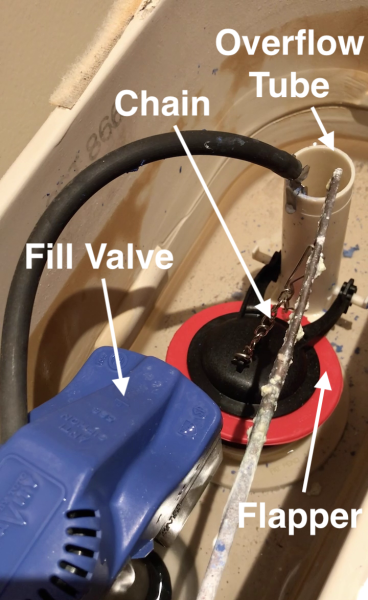
Step-by-Step: How to Stop a Running Toilet
1. Shut Off the Water Supply
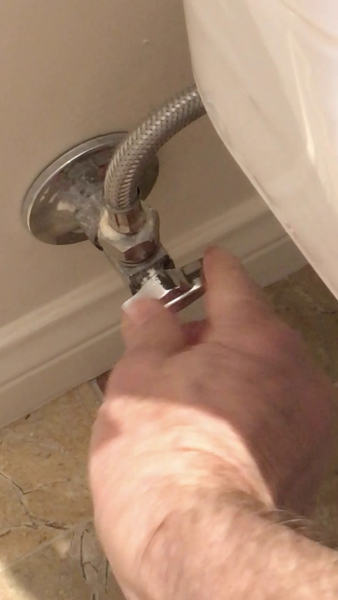
Turn the shutoff valve clockwise below the tank. Flush the toilet and hold the handle down to drain most of the water from the tank.
Remove the tank lid carefully and set it aside on a stable surface.
2. Inspect the Flapper and Chain
Check whether the flapper sits flat over the flush valve opening.
Look for:
- Cracks or stiffness in the rubber
- Mineral deposits
- A chain that prevents the flapper from sealing
If the flapper appears worn or distorted, replacement is usually the best solution.
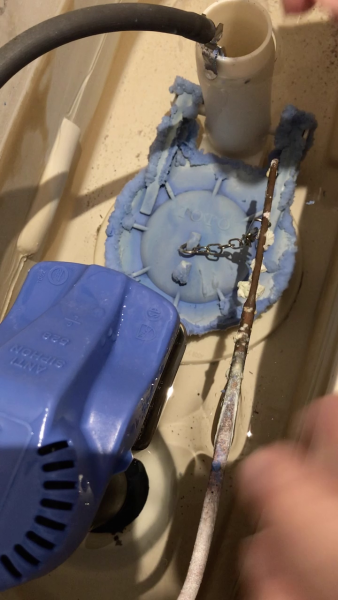
3. Remove the Old Flapper
Disconnect the chain from the flush lever. Unhook the flapper’s mounting ears from the pegs on the overflow tube.
Take the old flapper with you when purchasing a replacement to ensure proper sizing.
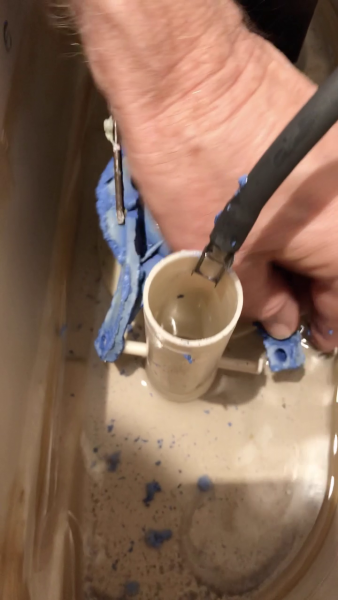
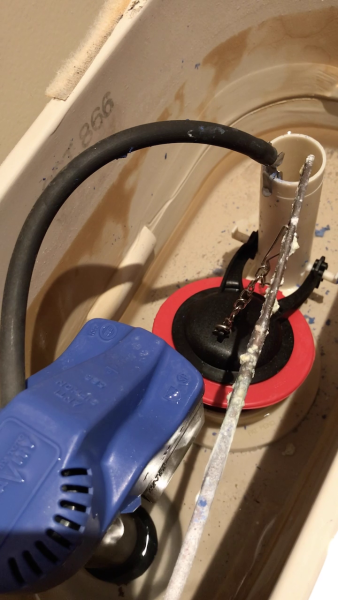
4. Install the New Flapper
Attach the new flapper to the overflow tube so it pivots freely.
Reconnect the chain, leaving about 1/2 inch of slack:
- Too tight → flapper won’t seal
- Too loose → incomplete flushing
Make sure the flapper rests evenly on the valve seat.
5. Restore Water and Test
Turn the water supply back on and allow the tank to refill.
Flush once and observe the flapper closing. The tank should fill once and then stop running.
If the Toilet Still Runs
If replacing the flapper doesn’t solve the problem, check these common issues:
- Chain adjustment: Make sure it isn’t tangled or catching
- Flush valve seat: Clean away debris or mineral buildup
- Water level: Set about 1/2 inch below the overflow tube
- Fill valve: Replace if water continues cycling on and off
See How to Fix a Toilet That Keeps Running After Replacing the Flapper.
When to Call a Plumber
Persistent running after adjustments may indicate:
- A corroded or damaged flush valve seat
- Internal tank component failure
- Aging toilet mechanisms
You may be able to clean the valve seat with fine steel wool, but replacing the flush valve assembly is sometimes necessary. If leaks continue or repairs become extensive, consider calling a plumber.
If the repair turns out to be more complicated than expected, you can always find a qualified plumber near you. For hiring advice, see Trade Secrets for Hiring the Right Plumber.
Repair or Replace?
Repair is usually the better choice when the problem is limited to tank components such as the flapper, fill valve, or flush valve. But if the toilet is older, inefficient, or several internal parts are failing at the same time, replacement may make more sense.
See Toilet Repair Costs and Repairing vs Replacing a Toilet.
Preventing Future Running Toilet Problems
- Replace flappers every few years as preventive maintenance
- Avoid in-tank cleaning tablets that degrade rubber parts
- Periodically check chain slack and water level
- Clean mineral deposits during routine bathroom maintenance
Frequently Asked Questions
Why does my toilet randomly start running?
Usually water slowly leaks past the flapper, causing the fill valve to refill the tank periodically.
How much water does a running toilet waste?
A running toilet can waste dozens or even hundreds of gallons of water each day, depending on how severe the leak is.
Can a running toilet increase my water bill?
Yes. Even a small continuous leak can add a surprising amount to your water bill over time.
What if replacing the flapper doesn’t work?
The next likely causes are an overfilled tank, a faulty fill valve, a damaged flush valve seat, or a refill tube problem. See How to Fix a Toilet That Keeps Running After Replacing the Flapper.
Next See
- Toilet Repair and Troubleshooting Guide
- How to Fix a Toilet That Keeps Running After Replacing the Flapper
- How to Replace a Toilet Flapper
- How to Replace a Toilet Fill Valve
- How to Replace a Toilet Flush Valve
- Toilet Bowl Water Level Too High or Too Low: How to Fix It
- Toilet Won’t Flush Properly
- Why a Toilet Flushes by Itself (Phantom Flush) and How to Fix It