A slow drain without a full clog is usually caused by buildup inside the pipe, a venting issue, or a developing blockage in the drain line.

In This Article:
Quick Answer
Start Here: One Drain or Several?
How to Diagnose It
Common Causes
How to Fix It
When to Call a Pro
FAQs
If your drain is slow but not completely blocked, it’s usually an early warning sign. Addressing it now can prevent a full clog or even a sewer backup later.
Quick Answer
A slow drain without a full clog is typically caused by buildup inside the pipe, a partial blockage, or a venting issue that affects airflow.
Bottom Line: A slow drain is an early-stage clog. Fix it now before it turns into a full blockage or system-wide problem.
If multiple drains are slow, this may indicate a main drain clog rather than a simple fixture issue.
Start Here: One Drain or Several?
- Only one drain is slow: Likely a local clog or buildup
- Multiple drains are slow: Possible main drain or sewer line problem
If more than one fixture is affected, see Main Drain Clog Symptoms.
How to Diagnose It
| What you notice | Likely cause | What it means |
|---|---|---|
| Water drains slowly | Partial clog | Buildup restricting flow |
| Multiple slow drains | Main line issue | Developing sewer problem |
| Gurgling sounds | Airflow problem | Vent or blockage issue |
| Drain improves temporarily | Soft blockage | Problem not fully cleared |
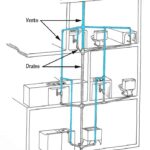
Gurgling or bubbling may indicate plumbing vent problems affecting airflow.
Common Causes
Partial clog
Grease, soap, hair, or debris builds up along pipe walls and slows water flow.
Venting problem
Blocked or restricted vent pipes can prevent proper airflow and slow drainage.
Main drain line issue
If multiple drains are slow, the problem may be forming deeper in the system.
Not sure which it is? See Clogged Drain vs Sewer Line Clog.
How to Fix It
You can often improve a slow drain with simple steps:
- Flush with hot water to clear minor buildup
- Use a plunger or a drain auger (snake)
- Clean drain stoppers and strainers
- Schedule professional cleaning if the problem recurs

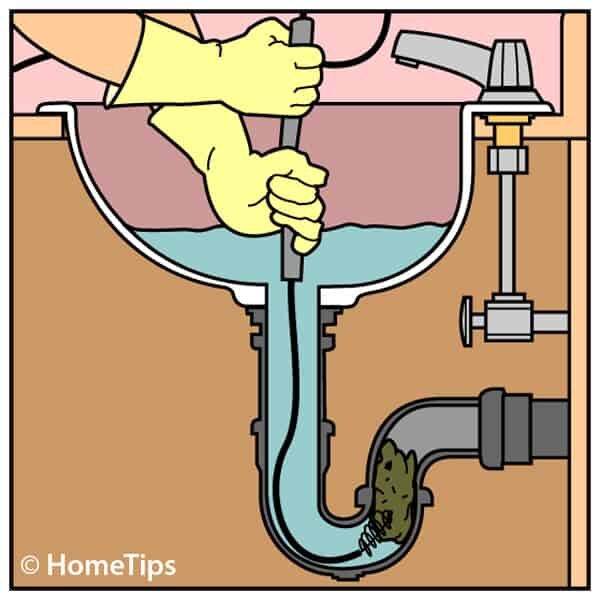
For more thorough cleaning, compare hydro jetting vs. snaking.
When to Call a Pro
Slow drains that persist or spread usually indicate a deeper issue.
- Multiple drains are slow
- The problem keeps returning
- Gurgling or backups develop
If the cause isn’t clear, a sewer camera inspection may be needed to pinpoint the problem.
For cost expectations, see Sewer Line Repair Cost.
If you’re unsure who to call, see Plumber vs. Drain Cleaning Service.
FAQs
Why is my drain slow but not clogged?
It’s usually caused by buildup inside the pipe or a developing blockage.
Will a slow drain fix itself?
No—it will usually get worse over time.
Is a slow drain a warning sign?
Yes. It often signals a clog forming or a deeper issue developing.
Should I use chemical cleaners?
Frequent use can damage pipes and is not recommended.