Want to choose the right garden stairs for your yard? These garden stair ideas show practical, attractive options for slopes, paths, entries, and terraced landscapes.

Quick Answer
Planning Garden Stairs
Materials & Safety
Garden Stair Ideas
Common Mistakes
FAQs
Garden stairs do more than connect one level of a yard to another. Done well, they can guide movement through the landscape, stabilize a slope, frame a view, or turn a difficult grade into one of the most attractive features in the yard.
The best choice depends on the slope, soil, drainage, style of the house, and how often the stairs will be used. Front entry stairs should feel solid, safe, and generous. A quiet garden path can be narrower, more informal, and more natural-looking.
Also see: How to Build a Garden Path
Quick Answer
The best garden stairs are safe, stable, well-drained, and matched to the landscape. Stone, concrete, brick, and timber can all work well, but the right material depends on the slope, budget, soil conditions, and whether the stairs are for daily access or occasional garden use.

Don’s Advice
The most attractive garden stairs can still be frustrating—or even unsafe—if the rise and tread depth are uncomfortable.
Before choosing materials, walk the slope and think about how people will actually use the stairs. Entry steps need to feel steady and predictable, while informal garden steps can be more relaxed as long as each step is secure.
Planning Garden Stairs
Before choosing a style, decide what the stairs need to do. Are they a primary route from the driveway to the house? A casual garden path? A way to climb a steep hillside? A transition between patios?
Consider these planning questions:
- How steep is the slope?
- Will the stairs be used daily or only occasionally?
- Do they need a handrail?
- Will they need to support heavy foot traffic?
- Does water drain across the area?
- Will the stairs also act as a retaining structure?
- Do they need lighting for nighttime use?
Entry stairs should usually be wide enough for two people to pass comfortably. A meandering garden path can be narrower and more natural, especially if it is used only occasionally.
Garden Stairs Materials, Size & Safety
The material you choose has a major effect on both appearance and performance. Large stone slabs and poured concrete feel permanent and architectural. Timber, gravel, and natural stone create a softer, more informal garden feeling.
In general, outdoor stair treads should be deep enough for secure footing, and risers should be consistent from step to step. As a rule of thumb, risers are often about 5 to 8 inches high, and treads should be at least 11 inches deep. Long, shallow steps usually feel more comfortable in a garden than steep, narrow steps.
Drainage is equally important. Water should move away from the stairs, not collect on treads or wash out gravel and soil. Avoid loose materials on steep slopes unless they are contained securely.
Don’s Advice
The biggest long-term problem with many garden stairs is not the surface material—it’s erosion underneath or beside the steps.
If runoff can wash soil or gravel out from under the stair treads, even beautiful stone or timber steps can become loose, uneven, and unsafe over time.
19 Garden Stairs Ideas
1. Rounded Retaining Stones with Mortar


Rounded retaining stones mortared together can create sturdy garden stairs with a natural, informal appearance. This approach works especially well where the stairs blend into planting beds, rock gardens, or water-wise landscapes.
The key is stability. Rounded stones can shift if they are not set securely, so this type of stair usually benefits from a compacted base and careful mortar work.
2. Pea Gravel with Wood Retainers

Pea gravel with wood retainers creates a relaxed garden path that is often easier and less expensive to build than masonry stairs. The wood holds the gravel in place and defines each step.
Use pressure-treated lumber, cedar, or another rot-resistant material, and make sure the gravel is contained well enough that it will not migrate downhill during heavy rain.
3. Inlaid River Rocks or Beach Stones

Inlaid river rocks or beach stones can turn stairs into a decorative landscape feature. This approach works best for low, broad steps where the stones are set firmly into mortar or concrete.
Because rounded stones can be slippery when wet, avoid polished or overly smooth stones in heavily used stairways.
Also read: Materials for Paths, Pavers & Steps
4. Landscape Timber

Landscape timbers are useful for informal garden stairs, especially where gravel or decomposed granite fills each tread. They give the path a rustic, grounded look and are relatively straightforward to install on moderate slopes.
Use rot-resistant or pressure-treated wood rated for ground contact. Secure each timber well so the steps do not shift.

Avoid using old railroad ties treated with creosote in residential gardens. Creosote-treated timbers are not appropriate for areas where people, pets, or edible plants may come into contact with the surrounding soil.
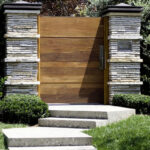
5. Giant Stone Slabs

Large stone slabs create a strong architectural statement and work especially well for front entries, formal gardens, and contemporary landscapes.
Because the stones are extremely heavy, installation usually requires professional equipment, a properly prepared base, and careful grading.
6. River Stones with Concrete Beams

River stones paired with concrete beams can create a ramp-like stair path with a soft, old-world appearance. The concrete helps define the step edges while the stones provide texture and drainage.
This design is best for gentle slopes rather than steep grades.
Also read: Planning Landscaping & Lawns
7. Formed Concrete Staircase

Formed concrete is durable, clean-looking, and highly adaptable. It is a good choice for heavily used stairs, modern landscapes, and areas where a precise rise and run are important.
Concrete steps require proper forming, reinforcement, drainage, and curing, so professional installation is often best for anything beyond a very small project.
8. Large, Colored Flagstone Slabs

Large flagstones create a natural, substantial look and work beautifully in informal garden settings. Warmer stone tones can tie the path visually to surrounding flowers, mulch, and planting beds.
Because large stones are heavy and must be stable, this is often a professional installation.
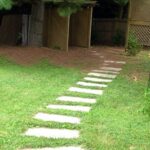
9. Slices of Natural Stone in Soil

Flat natural stones set into soil can create a trail-like stairway that feels integrated with the landscape. This works best on gentle slopes and in informal gardens.
For safety, each stone should be large enough for a full step and set firmly so it does not rock underfoot.
10. Square-Cut Rough Flagstone

Square-cut rough flagstone creates a composed but natural-looking garden stair. Smaller flagstone pieces can be arranged to follow curves and irregular slopes.
Loose or thinly mortared stones can shift over time, so inspect this type of stair regularly and reset any pieces that become unstable.
11. Stamped Concrete

Stamped concrete offers the durability of concrete with a more decorative surface. It can mimic stone, tile, brick, or textured paving.
For outdoor stairs, choose a texture that provides traction when wet.
12. Smoothed and Grouted Flagstone

Smoothed and grouted flagstone creates a more finished look than loose or rough stone. Rounded edges and consistent joints can make the stairs feel more refined and comfortable underfoot.
Good drainage beneath the stones is still essential to prevent cracking, settling, or loose joints.
13. Uneven Natural Stones

Uneven natural stones create an organic, woodland feel. They are best suited for informal garden paths rather than primary stairs used by guests, children, or anyone with mobility concerns.
Use stones with reasonably flat tops, and avoid creating uneven riser heights that make the path awkward or unsafe.
14. Raised Wooden Stairs

Raised wooden stairs or boardwalks work well in damp, wooded, or heavily planted areas where you want to protect the ground below.
This type of project requires basic carpentry, proper footings, rot-resistant lumber, and secure railings where the drop-off requires protection.
15. Flagstone Stairs Mixed with Cobblestones

Combining flagstone stairs with cobblestones adds texture and visual interest. This works especially well where a driveway, patio, or courtyard transitions into a planted garden area.
Keep walking surfaces even and avoid creating small trip edges where different materials meet.
16. Classic Brick

Brick garden stairs create a classic, warm appearance that works well with traditional homes, cottage gardens, and older landscapes.
Because brick stairs must be well-supported and properly drained, professional installation is recommended unless you have masonry experience.

17. Rounded Retaining Bricks with Cobblestone

Rounded retaining blocks filled with cobblestone or gravel can handle steeper grades while adding strong visual structure.
This approach is useful where the stairs also need to help hold soil in place, but proper drainage behind the retaining elements is essential.
Also read: How to Install a Water Feature
18. Natural Stone Chunks with Concrete Fill

Natural stone chunks with concrete fill can create a rugged, sculptural stairway that blends well with rock gardens or steep terrain.
This is usually not a simple weekend project. On steep slopes, professional grading, drainage, and structural planning are important.
19. Potted Garden on Stairs

If existing stairs are wide enough, potted plants can soften their edges and turn an ordinary stairway into a garden feature.

Keep pots to the sides so the walking path remains clear. Choose heavy containers that will not tip easily, and avoid placing pots where they create a tripping hazard.
Also read: 9 Ways to Boost Your Home’s Curb Appeal
Common Garden Stair Mistakes
- Uneven risers: Inconsistent step heights make stairs uncomfortable and unsafe.
- Poor drainage: Water can undermine steps, loosen stones, and wash out gravel.
- Loose materials on steep grades: Gravel, soil, and small stones can migrate downhill.
- Missing handrails: Steep or frequently used stairs may need railings for safety.
- Ignoring lighting: Outdoor stairs used after dark should be safely illuminated.
- Choosing looks over footing: Smooth or rounded surfaces can become slippery when wet.
FAQs
What is the best material for garden stairs?
Stone, concrete, brick, and timber can all work well. The best choice depends on the slope, drainage, budget, style of the home, and how heavily the stairs will be used.
How deep should garden stair treads be?
Outdoor stair treads should usually be at least 11 inches deep, and deeper treads often feel more comfortable in garden paths.
Do garden stairs need a handrail?
Steep stairs, high stairways, and frequently used exterior stairs may need handrails. Check local code requirements before building.
Can I build garden stairs myself?
Simple timber-and-gravel steps on a gentle slope may be DIY-friendly. Stone, masonry, concrete, and steep hillside stairs often require professional installation.
How do I keep garden stairs from shifting?
Use a compacted base, proper drainage, stable edging or retainers, and secure materials that are appropriate for the slope.