Sewer line clogs often show early warning signs such as multiple slow drains, gurgling sounds, foul odors, or wastewater backing up into sinks, tubs, or toilets.

In This Article:
Quick Answer
Warning Signs
Why It Happens
What to Do
When to Call a Plumber
FAQs
Because the main sewer line carries waste from your entire home, a blockage can quickly affect multiple fixtures. Recognizing the signs early can help prevent messy and costly backups.
Quick Answer
Common signs of a sewer line clog include multiple slow drains, gurgling fixtures, sewage odors, and water backing up in lower drains. These symptoms usually indicate a blockage in the main sewer line.
Bottom Line: If multiple drains are affected at the same time, the problem is usually in the main sewer line—not a single fixture—and it should be addressed quickly.
If you’re unsure, start here: How to Find a Drain Clog.
Common Signs of a Sewer Line Clog
| Sign | What It Indicates |
|---|---|
| Multiple drains are slow | Main sewer line partially blocked |
| Toilet gurgles when fixtures run | Airflow disrupted by blockage |
| Water backs up in tub or shower | Sewer line cannot handle flow |
| Sewage odors in home | Wastewater not draining properly |
| Water level changes in toilet | Pressure imbalance in drain system |
| Standing water near floor drains | Severe blockage or backup |
If you notice water backing up, see water backing up in a tub when flushing.
Not sure yet? See Clogged Drain vs Sewer Line Clog.
Why Sewer Line Clogs Happen
Sewer line clogs develop when materials build up or obstruct the main drainage path.
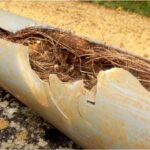
- Tree roots entering pipes
- Grease buildup that hardens over time
- Flushed debris such as wipes or paper products
- Pipe damage, sagging, or collapse
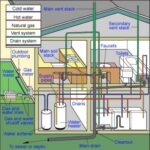
For a system overview, see How Drain-Waste-Vent Systems Work.
What to Do If You Notice These Signs
1. Reduce Water Use
Avoid running water or flushing toilets unnecessarily to prevent worsening the backup.
2. Check Lower-Level Drains
Basement drains, tubs, and showers often show problems first.
3. Confirm It’s Not a Single Fixture
If only one fixture is affected, it may be a local clog. If multiple fixtures are involved, the problem is likely in the main line.
4. Avoid Chemical Drain Cleaners
These are usually ineffective for sewer clogs and may damage pipes.
If needed, a drain auger may help with minor issues, but deeper clogs require professional tools.
When to Call a Plumber
- Multiple fixtures are affected
- Water backs up into tubs or floor drains
- You notice strong sewer odors
- The problem worsens quickly
Diagnosis often requires a sewer camera inspection.
For clearing options, see Hydro Jetting vs. Snaking.
For cost expectations, see Sewer Line Repair Cost.
If you’re unsure who to call, see Plumber vs. Drain Cleaning Service.
FAQs
What is the difference between a drain clog and a sewer line clog?
A drain clog affects a single fixture, while a sewer line clog affects multiple fixtures throughout the home.
Are sewer line clogs an emergency?
They can be. If sewage backs up into your home, immediate action is needed.
Can tree roots clog a sewer line?
Yes. Tree roots are one of the most common causes of sewer blockages.
How are sewer line clogs cleared?
Plumbers use augers, hydro jetting, and camera inspections to locate and clear the blockage.