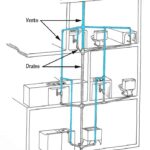
A toilet that keeps clogging is usually caused by excess toilet paper, a partial blockage, or weak flushing performance. Clearing minor obstructions and correcting flushing or usage issues usually solves the problem.

A toilet that clogs repeatedly is more than an inconvenience—it usually means there is a bigger underlying problem than an isolated blockage. While an occasional clog is normal, frequent backups usually mean the toilet, drain, or flushing performance needs attention.
Most recurring clogs are caused by restricted water flow, weak flushing action, or improper use rather than a major plumbing failure. Start by confirming the symptoms below, then follow the steps to identify and correct the cause.
In This Article:
Quick Answer
Common Signs
Quick Checks
Likely Causes
Tools & Materials
Step-by-Step Fix
When It’s More Serious
Prevention
FAQs
Quick Answer
A toilet that keeps clogging is usually caused by excess toilet paper, a partial drain blockage, or poor flushing performance. Clearing minor obstructions and correcting flushing or usage issues usually solves the problem.
Bottom Line: If your toilet clogs again and again, something is restricting flow or reducing flushing power. Clear the obstruction, check flushing performance, and rule out a developing drain-line problem.
Common Signs of Recurring Toilet Clogs
- The toilet clogs frequently despite plunging
- The toilet bowl drains slowly after flushing
- Water rises higher than normal during flushing
- Multiple flushes are needed to clear waste
- The toilet works temporarily after plunging but clogs again
Start With These Quick Checks
| Symptom | Most Likely Cause | Fix |
|---|---|---|
| Clogs return after plunging | Partial blockage | Use a toilet auger |
| Slow-draining bowl | Trap restriction | Clear the obstruction |
| Frequent clogs with heavy paper use | Excess paper load | Reduce toilet paper use |
| Clogs with weak flush | Poor flushing performance | Improve flush performance |
Likely Causes
Recurring clogs typically result from:
- Excess toilet paper use
- Non-flushable items being put down the drain
- Partial blockage in the toilet trap
- Mineral buildup that narrows internal passages
- Weak or incomplete flushing action
- Older low-flow toilet design limitations
- A developing blockage in the branch drain line
Tools & Materials
You may need:
- Flange toilet plunger
- Toilet auger (closet auger)
- Rubber gloves
- Bucket or towels
- White vinegar (for mineral cleaning)
Avoid chemical drain cleaners, which can damage porcelain and plumbing components.
Step-by-Step: How to Stop a Toilet From Clogging Repeatedly
1. Clear Any Existing Partial Blockage
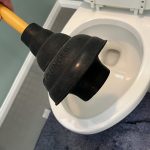
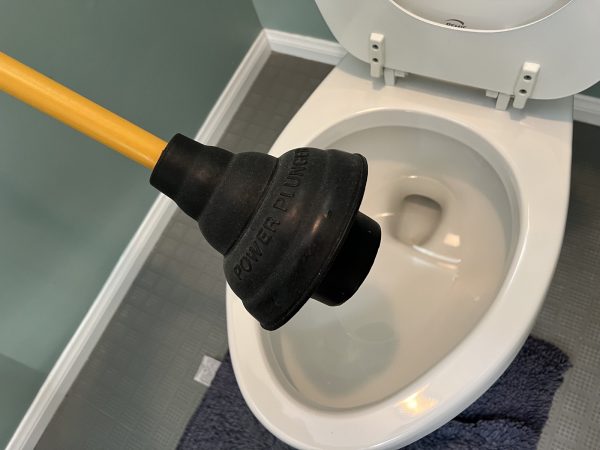
Begin by plunging with a flange plunger designed for toilets.
Use steady, controlled thrusts to build pressure and dislodge trapped material. Flush once to test drainage.
If the clog quickly returns, move to the next step.

2. Use a Toilet Auger
Insert a toilet auger into the drain opening and rotate the handle slowly.
The auger can break apart or retrieve objects lodged deeper in the trap where a plunger can’t reach.
Remove the auger carefully to avoid splashing.
3. Check Flushing Performance
Remove the tank lid, flush the toilet, and watch the flush action.
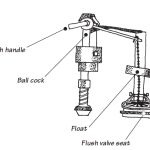
The tank should release most of its water rapidly into the bowl. Weak flushing often allows waste to remain in the trap, leading to repeat clogs.
If flushing seems weak, check:
- Tank water level
- Flapper operation
- Chain adjustment
Correcting these issues often prevents future clogs.
4. Reduce Toilet Paper Load
Modern low-flow toilets may clog more easily when large amounts of paper are used at once.
Try flushing with less toilet paper for several days. If performance improves, usage habits are likely contributing to the problem.
5. Inspect for Drain Line Problems
If clogs continue despite proper flushing, careful use, and occasional plunging, a restriction may exist beyond the toilet.
Watch for:
- Slow drains elsewhere
- Gurgling sounds
- Backups in tubs or sinks
These symptoms suggest a developing drain or sewer blockage.
When the Problem May Be More Serious
Persistent clogging may indicate:
- Branch drain obstruction
- Main sewer line blockage
- Improper drain slope
- Aging or poorly designed toilet
If multiple fixtures are affected or backups worsen, professional drain cleaning may be required.
When to Call a Plumber
- Clogs return immediately after clearing
- Multiple fixtures drain slowly
- You suspect a sewer line issue
If the repair turns out to be more complicated than expected, you can always find a plumber near you.
For hiring advice, see Trade Secrets for Hiring the Right Plumber.
Preventing Future Toilet Clogs
- Flush only toilet paper and waste
- Do not flush wipes, paper towels, or hygiene products
- Maintain proper tank water level
- Periodically clear mineral buildup
- Consider upgrading an older low-flow toilet with chronic clogging issues
FAQs
Why does my toilet keep clogging even after plunging?
This usually means there is a partial blockage deeper in the trap or drain line.
Can a weak flush cause recurring clogs?
Yes. If the toilet doesn’t push waste through completely, it can leave material behind and cause repeat clogs.
When is clogging a sewer-line problem?
If multiple fixtures drain slowly, gurgle, or back up, the problem may be in the branch drain or main sewer line rather than the toilet itself.
Next See
If you’re not sure what’s causing the problem, see our Toilet Repair and Troubleshooting Guide for a complete diagnostic overview.